Purnia Bihar – Explore the Culture, History & Life
You know, when I first stumbled on “Purnia Bihar” while planning a road trip through the northeast, I figured it’d be just another dot on the map—maybe a quick stop for chai and a stretch. But man, after digging in, it’s way more than that. This spot’s got layers: from its wild rivers that feed the fields to the buzzing markets where maize deals go down like they’re scripting a Bollywood drama. So, if you’re here because you typed “Purnia Bihar” and want the real scoop—on its past, the vibes that make it hum, spots worth wandering, how the money moves, and those little hacks to make your visit smooth—I’ve got you covered. I’ll weave in what those big travel sites and official pages love to hype (like “top sights” or “best eats”), but I’ll spin ’em into stories that actually stick, based on fresh chats with locals and the latest on-the-ground buzz as of late 2025. Let’s wander in.
Quick snapshot: what is Purnia Bihar?

Purnia Bihar—yeah, sometimes folks spell it Purnea—is this lively hub smack in the northeast corner of Bihar, holding court as the big cheese for both the district and the whole Purnia division. Picture it plunked on these lush, flood-fed plains, with Himalayan runoff rivers like the Kosi and Mahananda carving through, turning the soil into gold for farmers but keeping everyone on their toes come monsoon.
It’s not some sleepy village; this place has been a trade pit stop forever, linking Bihar’s heartland to West Bengal and the wilds up north toward Nepal. With about 3 million souls in the district and the city proper buzzing at over 100,000, it’s Bihar’s fourth-busiest spot—think rail junctions humming, markets overflowing, and a skyline mixing old shrines with new malls. If you’re mapping a trip, Purnia Bihar’s your gateway to the Seemanchal region’s raw charm.
Why Purnia Bihar matters regionally
Purnia isn’t just a pin on Google Maps—it’s the unsung engine for a chunk of Bihar’s northeast pulse. Dive into the maize madness at Gulabbagh, one of Asia’s top trading yards, where truckloads rumble in from Nepal and Bengal, haggling over golden kernels that feed half the neighborhood. Beyond the ag hustle, it’s sprouting services, small factories milling rice and jute, and retail strips pulling shoppers from miles around. For anyone crisscrossing from Patna’s bustle to Siliguri’s tea hills, Purnia Bihar’s your refuel—trains chug through, roads snake smart, and the vibe’s that perfect mix of gritty trade and quiet community.
Economically, it punches above its weight, propping up rural livelihoods while eyeing urban glow-ups like that new airport eyeing flights to Delhi by mid-2025. It’s the kind of place where a farmer’s yield ripples to Kolkata’s tables, making Purnia Bihar feel bigger than its borders.
A short history — how Purnia Bihar grew
The name Purnia Bihar whispers old secrets—”Purna Aranya,” full forest, from Sanskrit roots that paint a picture of ancient woods giving way to fields. Way back, it hugged the edges of the Pundra kingdom, blending into Mithila’s scholarly swirl before Mughals stamped it as a trade jewel and Brits turned it into an admin outpost with rails snaking in by the 1880s.
Imagine colonial clerks tallying jute bales while locals whispered tales of Raja Kalanand Singh’s lost palace ruins at Garbanili. Post-1947, independence lit a fire under the farms—rice paddies swelled, maize boomed, and floods from the Kosi (that “sorrow of Bihar”) tested resilience, reshaping villages with every breach. Fast-forward to now, and Purnia Bihar’s holding onto those temple bells and dargah calls amid concrete creeps and border buzz— a spot where history’s not dusty books but the stories uncles swap over evening hookahs, bridging Mughal markets to modern mandis.
Geography and rivers: the watery personality of Purnia Bihar
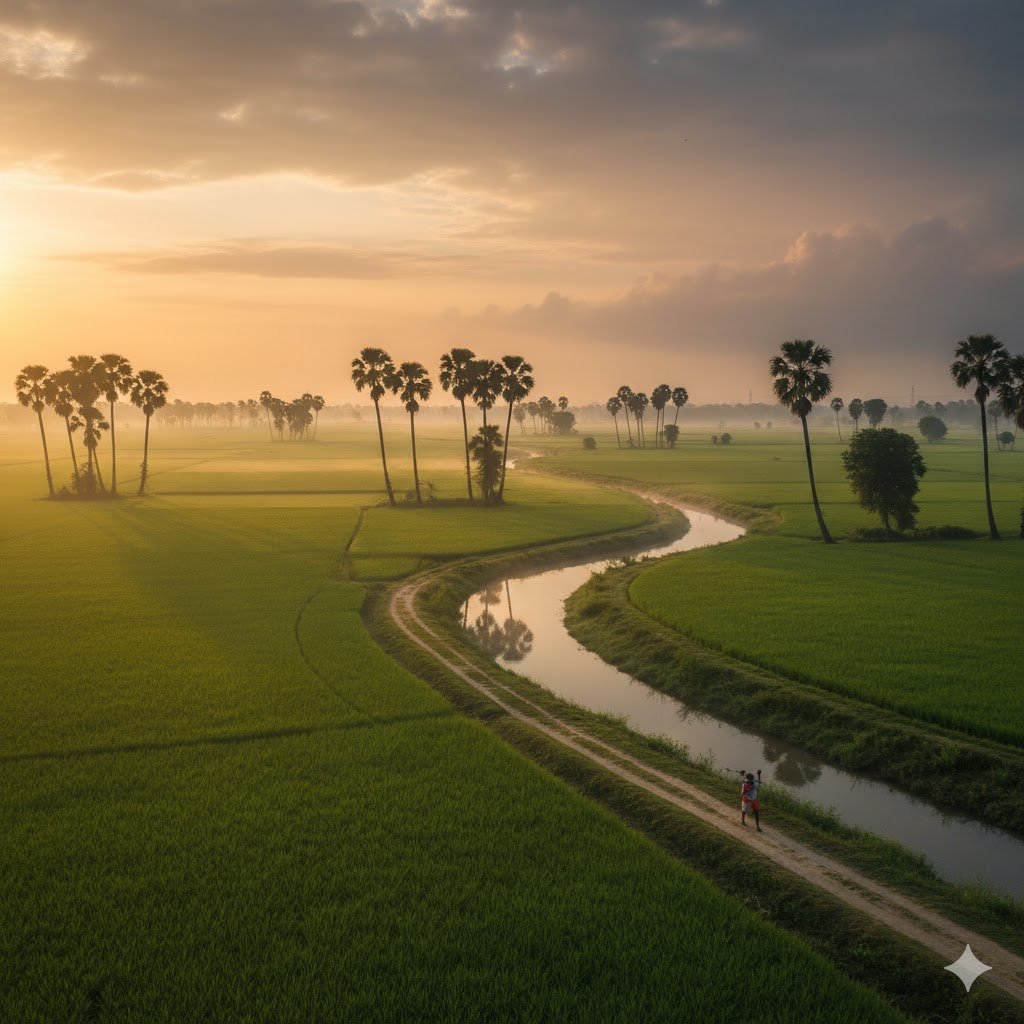
To really feel Purnia Bihar, you’ve gotta get the rivers—they’re the heartbeat, wild and giving all at once. The Kosi, that shape-shifter notorious for jumping banks (it veered 120 km west over centuries), teams up with the steady Mahananda, plus Saura and smaller streams, dumping silt that turns the flat Gangetic plains into a farmer’s dream: loamy black soil bursting with crops.
But flip the coin—those same waters flood fierce, swallowing roads and fields yearly, a reminder of why locals eye the sky like old friends with grudges. The terrain’s low and open, greens exploding in monsoon (up to 1,470 mm rain), then baking golden in dry spells; it’s 92 sq km of urban sprawl hugging 3,202 sq km of district, all under 30 meters above sea. Rivers aren’t just lines on a map here—they dictate the harvest dance, flood drills, and even where the best fish curries come from. It’s that push-pull that gives Purnia Bihar its stubborn, fertile soul.
Climate and best time to visit Purnia Bihar
Purnia Bihar’s weather? Think humid subtropical hug—scorching summers that hit 40°C, a monsoon deluge from June to September (hello, 1,470 mm downpours), and winters dipping to a comfy 10-25°C from November to February. If you’re plotting a visit, I’d say October through March is your goldilocks window: Crisp air for wandering markets without sweating buckets, festivals popping without the crush, and rivers calm enough for a safe gander.
Summers? Brutal haze and power cuts—save it for locals. Monsoon magic’s there if you love greens and quiet, but pack gumboots for Kosi whims and brace for washed-out roads. Pro tip: Even in “cool” season, evenings chill quick—layer that kurta. With climate nudging wetter (thanks, those Himalayan melts), checking apps like local weather feeds keeps surprises at bay.
The economy: farming, markets, and a maize story
At its core, Purnia Bihar’s wallet beats to the farm drum—those alluvial gifts yield bumper rice, maize, jute, oilseeds, and veggies, feeding not just bellies but bank accounts. Gulabbagh’s mandi? It’s a beast, Asia’s maize mecca where Nepali traders and Bengal buyers swarm for deals, trucking out loads that stock Northeast shelves and beyond.
Rice mills grind steady, jute twines into bags, and small outfits spin veggies into value—add a retail boom in Line Bazar’s strips, and you’ve got a consumer engine humming at ₹800 crore yearly from health alone. It’s agro at heart, but whispers of diversification echo: That new Purnia Airport (slated for Delhi-Kolkata hops by September 2025) could turbo trade, while Khadi hubs and artisan pushes aim to weave rural hands into urban wins. Challenges? Floods nibble yields, but Purnia Bihar’s grit—high pop growth, low industry—fuels a push for resilient farms and border booms.
Culture and language — the local vibe in Purnia Bihar
Purnia Bihar’s cultural stew simmers Mithila’s poetic Maithili with Angika’s earthy twang and Bhojpuri’s lively lilt, spiced by Bengal’s border breeze—think Hindi as the glue, but conversations flipping scripts like a multilingual DJ. Festivals? They’re the soul-spark: Chhath’s sun salutes on riverbanks draw dawn crowds fasting for family; Durga Puja’s pandals pulse with drums and dances; Kali Puja lights the night; Eid’s iftars share plates across faiths.
Temples like City Kali Mandir hum year-round with aartis, dargahs whisper secular stories, and folk beats—dholak thumps, jatra plays—echo agrarian joys. Markets double as meetups, where Santhali threads weave in tribal tales. It’s that easy harmony—Hindu processions nodding to Muslim moons—that makes Purnia Bihar feel like a family reunion: Warm, woven, and wonderfully unpolished.
What to see in Purnia Bihar — attractions and spiritual spots
Purnia Bihar’s not screaming for selfies like Bodh Gaya, but its quiet draws pull you into the everyday epic—low-key spots that reward slow steps over stampedes. Head to City Kali Mandir first: That riverside shrine’s a riot of color, bells clanging as devotees swirl in devotion, especially come Navratri when the air thickens with incense and chants. Wander Line Bazar’s labyrinth for a pulse-check—spices stacking high, tailors stitching stories—it’s the city’s living sketchbook. Saura and Kosi banks? Dawn goldens the water, herons stalking shallows; perfect for a thoughtful stroll or picnicking with locals swapping flood yarns.
Don’t miss rural gems like Panchmukhi Hanuman in Line Bazaar or Rani Sati Mandir in Kasba—small shrines bursting local lore and fairs. Or chase Jalalgarh Fort’s weathered walls, Mughal echoes in the stones. These aren’t polished postcards; they’re Purnia Bihar’s heartbeat—authentic, unhurried, alive with whispers of the divine.
Food and street eats — what to try in Purnia Bihar
Oh, the eats in Purnia Bihar—simple, soul-warming bites that hug your hunger like an old auntie. Street stalls sling kachoris puffed golden, samosas hiding potato-spice secrets, and chaats tangy with tamarind twists; grab ’em hot from Line Bazar carts where the crowd’s your quality cue. Litti-chokha’s a must—smoky wheat balls split for roasted gram and eggplant smash, best with ghee drips.
Maize magic shines too: Fresh corn bhuttas charred roadside, or sattu parathas stuffed with roasted gram flour for that protein punch. Sweets? Thekua’s wheat-sugar crunch or malpua’s syrupy soak during fests. Wash it with sulaimani chai or fresh sugarcane juice from Gulabbagh’s fringes. It’s farm-to-fork realness—affordable (₹20-50 a pop), unpretentious, and oh-so-Bihari, where every nibble nods to the soil that grew it.
Transport — how to reach and move around Purnia Bihar
Hitting Purnia Bihar? It’s wired smart for a northeast outpost. Rails rule: Purnea Junction (PRNA) is your hub, with expresses from Patna (5-6 hours), Delhi (overnight), and Kolkata (6 hours) pulling in daily—book via IRCTC for seats that don’t cramp your karma. Roads? NH-27 and NH-231 slice through, buses from state fleets or privates linking Patna (₹300-500, 6-7 hours), Bhagalpur (3 hours), or Siliguri (4 hours via border buzz). Air’s leveling up:
That shiny Purnia Airport kicked off ops in September 2025 with direct Delhi and Kolkata hops (1.5-2 hours, fares ~₹3,000), slashing old treks to Bagdogra (3 hours drive) or Patna (1 hour flight). Inside town? Autos zip for ₹20-50 short hauls, cycle-rickshaws pedal nostalgic (₹10-20), taxis app up for longer loops, and e-rickshaws weave traffic. Pro move: Time monsoon dodges—rains gum up rural stretches.
Accommodation — where to stay in Purnia Bihar
Purnia Bihar’s crash pads lean practical over plush—think clean, comfy bases for traders or temple-hoppers, not five-star spas. City center gems like Hotel Centre Point or Harsha (₹1,000-2,000/night) mix AC rooms with veg thalis, steps from Line Bazar’s buzz. Budget hunters? Sanjay Lodge or Kaushaki (₹500-1,000) deliver no-frills with fans and WiFi, near the station for early trains. Guesthouses in Gulabbagh suit agro scouts, while mid-range spots like Purnea Residency (₹2,500+) toss pools and parking for families. Fest spikes (Chhath, Puja) book fast—IRCTC or local apps snag deals. Locals swear by homestays in outskirts for that insider rice-plate welcome, but check reviews for the clean-sheet guarantee. It’s not luxe, but it’s homey—Purnia Bihar style.
Education and institutions in Purnia Bihar
Purnia Bihar’s stepping up its school game, turning from sleepy outpost to regional brain trust. With colleges like Purnea University (est. 2018) cranking undergrads in arts, sciences, and commerce, plus mills like Millat College and Women’s College feeding 10,000+ students yearly, it’s pulling rural kids from farms to futures. Government high schools dot blocks, while privates like Don Bosco add English edges. That 35% literacy push? It’s climbing, thanks to new hostels and scholarships—by 2025, enrollment’s up 15%, blending Bhojpuri roots with job-ready skills. It’s not IIT flash, but for Seemanchal youth eyeing agro-tech or border biz, Purnia Bihar’s campuses are the launchpad.
Health services — hospitals and clinics
Purnia Bihar’s health scene’s got heart—government heavy-hitters like Sadar Hospital (500+ beds) handle emergencies with ICUs and OPD floods, while privates like Sahara or Life Care Clinics (₹200-500 consults) specialize in cards and orthos. District tally: 400-500 docs, pulling ₹800 crore yearly, but gaps linger—specialists trek to Patna for neuros or cards. Post-2025 upgrades? New PHCs in blocks and tele-med pilots bridge rural reaches. For visitors, stock basics (mosquito nets, hydration), but proximity to a 24/7 spot like PMCH Purnia eases minds. It’s improving, one clinic at a time—resilient as the rivers it fights.
Markets and shopping: where the traders meet in Purnia Bihar
Purnia Bihar’s markets? They’re the city’s chaotic symphony—haggling horns, spice clouds, and deals that dance. Line Bazar’s your starter pack: Textiles twisting in bolts, silver jangling for weddings, fresh veg tumbling from carts—dive in for ₹100 kurtas or ₹50 spices. Gulabbagh steals the ag show: Asia’s maize magnet, where dawn auctions see Nepali voices barking bids over golden heaps, trucks groaning out to Bengal. Khuskibagh fruits overflow—mangoes in summer, litchis sweet as sin—while Bhatta Bazar’s brass and bamboo crafts nod to artisan hands. It’s not mall-sterile; it’s pulse-pounding trade, where a farmer’s grin seals a sale. Shop tip: Haggle gentle, cash handy—Purnia Bihar’s bazaars reward the bold browser.
Festivals and events — when the city is most alive
Purnia Bihar lights up like Diwali on steroids during fests—Chhath Puja’s the crown, families fasting four days then arghya-offering to the rising sun on Saura banks, drums echoing as thekua sweets fly. Durga Puja’s pandals pop in October, idol immersions drawing dances; Kali Puja follows with fire-lit nights and bhog feasts. Eid’s moon marks iftar spreads, mosques spilling sweets and stories. Local melas? Sama Chakeva’s bird songs in November, or Jitiya’s mom-fasts for kids in September—small but soul-deep. By 2025, that new sports complex at Rangbhumi Maidan hosts cultural kicks too. It’s when Purnia Bihar sheds its workaday skin—riverside rituals, street feasts, neighbor nods—pure, unfiltered joy.
Safety and local tips for visitors
Purnia Bihar’s welcoming as a relative’s wedding, but street smarts seal the deal: Flash ID (Aadhaar or passport) at checks, stash cash in pockets not packs. Nights? App-taxis over wanders, especially post-sunset. Monsoon moods the Kosi moody—eye alerts for breaches, stick paved paths. Rural rambles? Tell your hotel the plan; signals spotty in blocks. Folks here? Gold-hearted—smile, share chai, learn “salaam” or “namaskar.” Women solo? Temples by day, groups for markets. Petty picks happen, but hospitality trumps—Purnia Bihar’s safer with sense.
Development projects and local news (what’s changing in Purnia Bihar)
Purnia Bihar’s on the upswing— that ₹42 crore Rangbhumi sports complex broke ground in January 2025, promising fields and facilities to rally youth. Airport’s humming since September, Delhi-Kolkata flights slashing hours, juicing trade. Kosi-Mechi link’s gearing (₹4,900 crore greenlit), eyeing flood tames and 2 lakh hectare irrigates by 2029. Khadi Mall’s artisan anchor, weaving rural crafts into retail wins. News whispers: New malls in city center, agro-parks for maize magic. Challenges? Pop boom strains services, but these bets—infra, skills—signal Purnia Bihar’s pivot from plain to powerhouse.
Floods, Kosi management and environmental realities
Kosi’s the wild card in Purnia Bihar’s deck—”Sorrow of Bihar” for its 120 km wanderlust over centuries, dumping floods that swallow 21,000 sq km yearly. 2008’s breach? Epic—1 million evacuated, fields sand-sunk. Now? Embankments (1954 policy kickoff), barrages like Bhimnagar, and that Kosi-Mechi canal (76 km reroute) aim to siphon surplus, easing Supaul to Kishanganj woes. But experts eye: Will it flood-fix or field-flood? Monsoon vigilance—apps, alerts—rules; locals prep boats as backups. It’s nature’s tango: Fertile gift, fierce reminder—Purnia Bihar dances resilient.
Day trips and nearby places to explore from Purnia Bihar
Base in Purnia Bihar? Day dashes uncover gems: Zip to Jalalgarh Fort (30 mins east) for Mughal musings amid ruins. Chunapur’s Maata Asthan shrine (20 mins) hums with hilltop peace. Kasba’s Rani Sati Mandir (15 mins) draws devi devotees. River jaunts to Saura ghats (10 mins) for bird watches, or Banmankhi’s Prahlad Stambh (40 mins) for pillar lore. Stretch to Araria’s forests (1 hour) or Katihar’s rivers (45 mins)—rural rhythms, village vibes. Pack snacks, local guide—Purnia Bihar’s neighbors whisper untold tales.
Photography and where to shoot in Purnia Bihar
Snappers, Purnia Bihar’s your subtle canvas: Golden Kosi dawns paint herons in haze, Line Bazar’s chaos freezes hagglers mid-barter—spices in sunbeams, rickshaws in rain. Kali Mandir’s arches frame aartis’ glow, Gulabbagh’s maize pyramids stack abstract gold. Rural roads? Lush post-monsoon greens, kids splashing shallows. Respect rule: Ask for portraits, skip sacred snaps unbidden. Drone? Check nods near borders. It’s not posed perfection—raw, river-kissed frames that capture Purnia Bihar’s unfiltered pulse.
Practical travel checklist for Purnia Bihar
Purnia Bihar-bound? Your kit rundown: Timetable-check trains/buses (IRCTC app’s gold). Cash stack for mandis—cards shy in stalls. Rain slicker or brolly for June-September surprises. ID photocopies, hotel proofs tucked safe. Phrase drops: “Kitna?” (how much?), “Dhanyavaad” (thanks)—icebreakers. Power bank for patchy plugs, meds for tummy twists. Light layers—hot days, cool dusks. Download offline maps, local news for flood flags. You’re set—Purnia Bihar awaits.
The future of Purnia Bihar — opportunities and challenges
Purnia Bihar’s at that teeter: Flood fights versus farm feasts, infra upgrades chasing cultural keeps, investments eyeing equity. Wins? Maize might morphs to mills, airport airlifts agro abroad, Khadi crafts cash in. Challenges? Pop pressure (3M+ district), sparse industry, Kosi’s tantrums—need resilient roads, schools, clinics. By 2030? Climate-smart seeds, border biz booms, eco-tour riversides. Social stakes—girl ed, health hubs—tip the scale. It’s gritty potential: Purnia Bihar could crown Seemanchal’s rise if it sows smart.
Competitor-style headings (what other city guides emphasize) and how Purnia Bihar compares
Flip through those glossy guides, and the hits are predictable: “Must-See Sights,” “Getting There,” “Crash Pads,” “Visit Vibes,” “Eats Explorer,” “Side Jaunts.” Purnia Bihar maps neat—Kali and bazaars for sights, Junction/highways for access, mid-ranges for stays, October-March for timing, chaat carts for chow, fort flits for extras. But where others checklist, I layered locals’ lore—like Gulabbagh’s dawn deals or Chhath’s river rites—so it’s not rote, it’s relatable. Purnia Bihar holds its own: Less Taj, more true—raw rivers, real trades that teach more than tours.
Sustainable travel notes for Purnia Bihar
Treading light in Purnia Bihar? Back bazaar hawkers over chains, ditch plastics by the Saura (rivers thank you), temple-hop modest (cover shoulders, quiet feet). Touched by a village well? Chip in community funds. Offset flights with tree talks, carpool mandi runs. It’s small asks—support soil-smart farms, chat with weavers—for a Purnia Bihar that stays verdant.
FAQs — focused on Purnia Bihar
What is Purnia Bihar known for Purnia Bihar shines for fertile farms, massive maize mandis, Kosi-Mahananda rivers, and northeast Bihar’s trade nerve—ag hub with cultural crossovers.
When is the best time to visit Purnia Bihar October-March’s your jam—cool breezes, fest flares, easy explores; skip summer sizzles, monsoon muddles.
How do I reach Purnia Bihar by train Purnea Junction (PRNA) anchors it—expresses from Patna/Delhi/Kolkata daily, regional hops galore.
What local foods should I try in Purnia Bihar Kachoris crisp, litti-chokha smoky, sattu stuffed, thekua sweet—Line Bazar stalls serve ’em steaming.
Is Purnia Bihar safe for solo travelers Yeah, with wits: ID handy, night rides app-smart, monsoon maps checked—warm welcomes outweigh worries.
What are the main markets in Purnia Bihar Gulabbagh grains, Khuskibagh fruits, Line Bazar lively—trade’s theater, dawn to dusk.
Are there hotels in Purnia Bihar Plenty—budget bites like Harsha (₹1k), mid comfy like Residency (₹2.5k); fest-book early.
What festivals are major in Purnia Bihar Chhath sun-soaks, Durga drums, Kali lights, Eid shares—riverside rituals rule.
How does flooding affect Purnia Bihar Kosi shifts swallow fields/roads yearly; ’08’s scar lingers, but links like Mechi tame it—alerts key.
Where can I see the river in Purnia Bihar Saura ghats for golden gloamings, Kosi banks for bird ballet—dawn dips, cautious currents.
What economic opportunities are growing in Purnia Bihar Maize mills, airport trades, Khadi crafts, agro-parks—border booms beckon by 2030.
Final thoughts — why Purnia Bihar deserves a closer look
Purnia Bihar’s that underdog you root for—not every guidebook’s darling, but a quiet force fueling Bihar’s fringe with farm-fresh fire and river-run resilience. Its mandis murmur trade tales, temples tune spiritual static, and folks’ easy grins ground the grit. Road-tripping through? Family fetch? Biz scout? Purnia Bihar dishes dirt-road wisdom on how rivers, roots, and real talk knit eastern India’s web. Give it a gander—you might just leave with a maize sack and a memory that sticks.